- Opinion Opinion Opinion
- European Union European Union European Union
Editorial
Le Monde
With every victory the far right secures on immigration, it seeks to push its agenda further and is growing increasingly overt in its xenophobia, as seen in the election campaigns currently unfolding across several European countries.
Published today at 12:50 pm (Paris) 1 min read Lire en français
Upcoming election campaigns across Europe – with parliamentary elections in Sweden, regional elections in Germany and a presidential election in France – illustrate just how effective the far right's escalation on immigration has become.
In Sweden, the far-right Sweden Democrats (SD), despite losing momentum, have undermined their coalition partners – the Liberals, Conservatives and Christian Democrats. The SD called on its voters to withdraw support from the Liberals after their leader announced she would accept far-right ministers in the government. Having successfully pressured Swedish democrats in recent years to tighten the country's migration policy, the SD has now become more radical, fueling a rise in racist and anti-Muslim rhetoric nationwide.
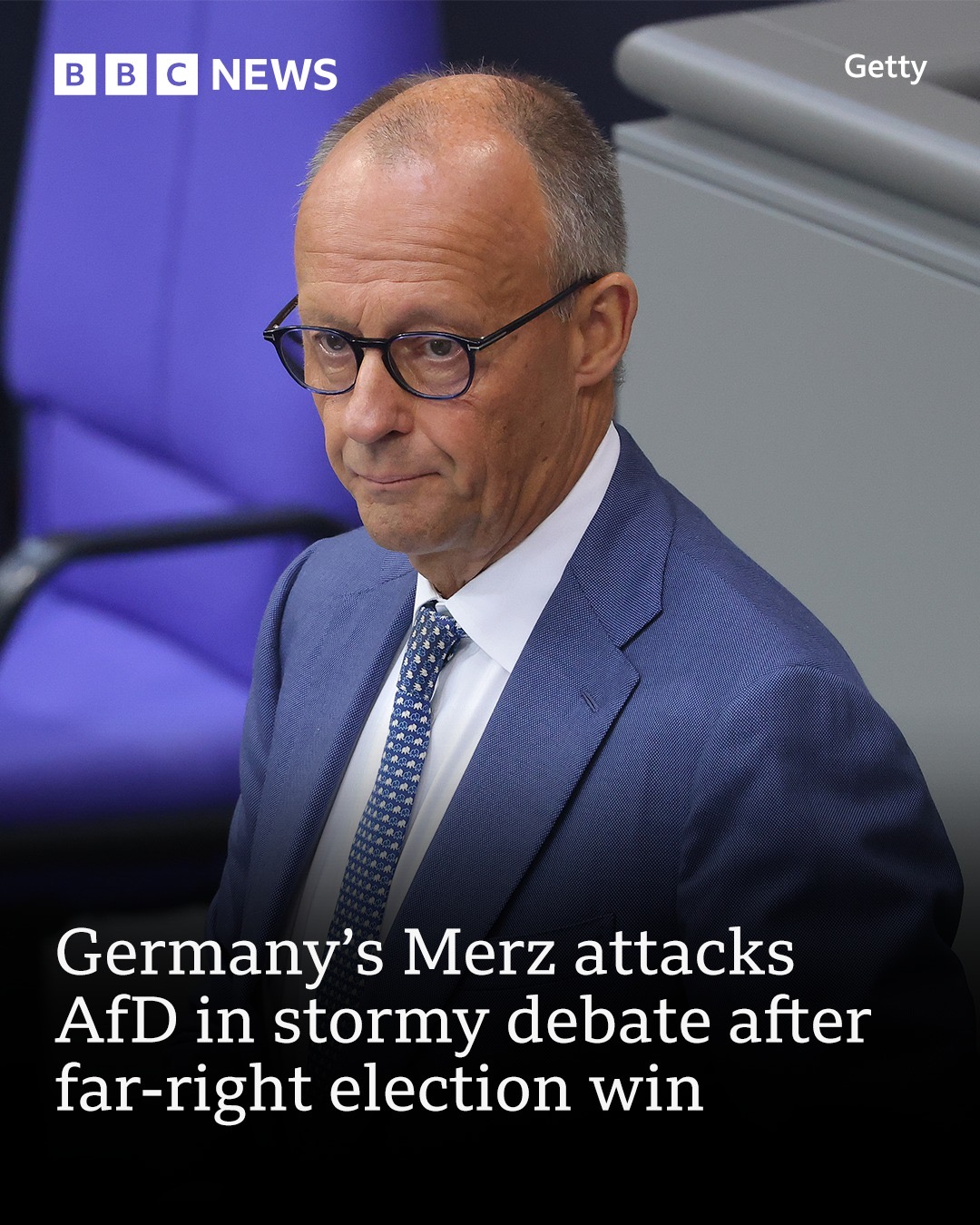
In Germany, conservative Chancellor Friedrich Merz, weakened within his own camp, has bet on tightening immigration to contain the far right, but it remains poised to capitalize on the issue. Ulrich Siegmund, lead candidate for the Alternative für Deutschland (AfD) party in the September 6 vote in Saxony-Anhalt, could become the first far-right governor of a German Land. Charismatic and courteous, he has advocated for speeding up deportations, imposing community service requirements on asylum seekers and creating special classes for refugee children in schools.
Former French prime minister Edouard Philippe, a right-wing candidate from the centrist bloc, surprised some in his camp by expressing support for establishing a return center in Africa for undocumented migrants from Mayotte. France remains opposed to this controversial project for offshore hubs, which is included in the European regulation currently being adopted on irregular migrants.
It is an illusion to believe that once the far right gets what it wants, it might pause its demands. In Brussels, pressure from Italian leader Giorgia Meloni, allied with Danish Social Democrat Mette Frederiksen, has not abated. Together, they led 22 out of 27 member states to condemn what they saw as Spain's negligence during the Ceuta crisis in July, when 50,000 Moroccans entered the Spanish enclave. As negotiations resume on the common EU budget, the two leaders are demanding that the Union finance return hubs for migrants. The European Commission has consistently stated it will not foot the bill.
With every victory – whether joining a government or passing anti-immigrant legislation that fits its scapegoating strategy – the far right logically pushes further and becomes ever more openly xenophobic. The example set by US President Donald Trump and his harsh immigration enforcement emboldens them. Their ultimate aim is so-called "remigration." Conservative escalation can only lead to European policies absorbing this vague identitarian concept, shifting from targeting irregular migrants to regular immigrants, and then to citizens deemed "unassimilable" by racial criteria. European democrats, convinced of the need for better protection of the continent's borders, are being challenged to put forward an alternative to the unacceptable.
Le Monde
Translation of an original article published in French on lemonde.fr; the publisher may only be liable for the French version.