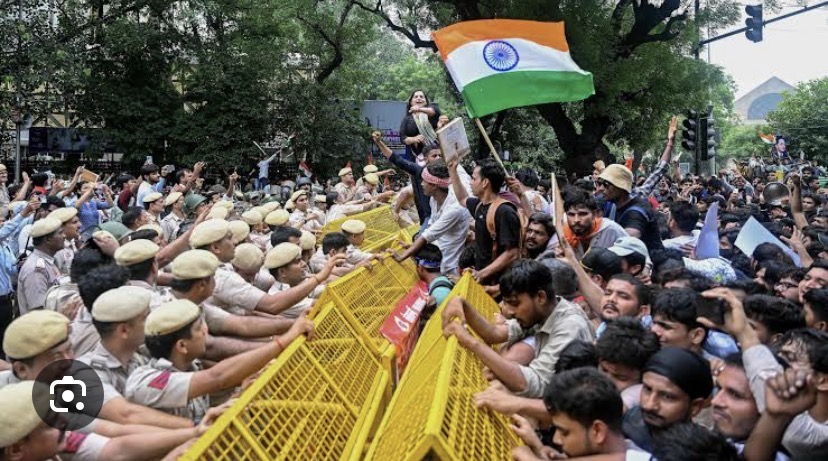
Indian authorities have detained thousands of people and imposed heightened security measures in New Delhi ahead of a major anti-government demonstration, as tensions grow over the country’s electoral system.
The planned protest targets Chief Election Commissioner Gyanesh Kumar and concerns the revision of voter lists, a process critics argue could unfairly affect some voters and benefit Prime Minister Narendra Modi’s ruling Bharatiya Janata Party (BJP).
According to Reuters, authorities detained a youth protest leader before the demonstration and introduced security restrictions in parts of the Indian capital to prevent unrest.
The controversy centres on changes to voter registration procedures. Opposition groups and activists have raised concerns about the transparency of the process and whether eligible citizens could be excluded from electoral rolls.
The government and election authorities face growing pressure to address questions about electoral fairness as political disagreements intensify.
The planned demonstration reflects wider frustration among sections of India’s population over political accountability, democratic institutions and the conduct of elections.
New Delhi’s security response has also drawn attention to the challenges governments face when managing large political demonstrations while protecting the public’s right to peaceful protest.
India, the world’s most populous country, plays a significant role in global politics and economics. Developments surrounding its electoral system are therefore attracting attention beyond its borders.
The situation remains a significant test for India’s political leadership and election authorities as they face calls for transparency and public confidence in the democratic process.