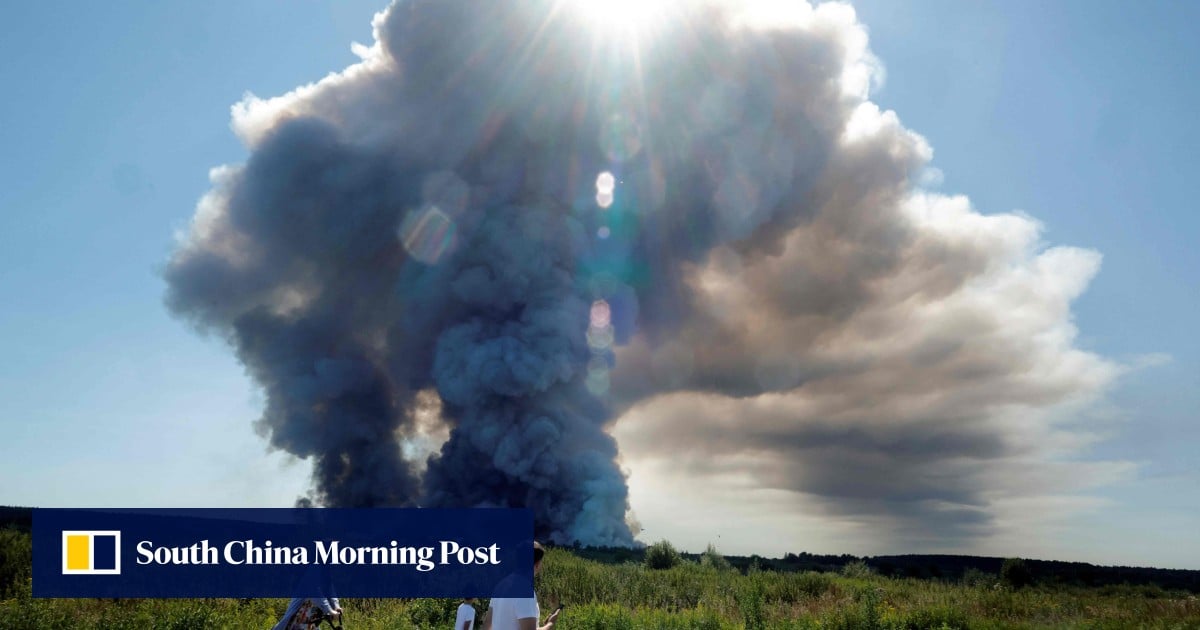
Unlike recent energy crises, today's geopolitical shock is destroying supply rather than rerouting it, exposing the limits of the standard policy toolkit. | REUTERS
By Gene Frieda
Project Syndicate
Jul 22, 2026
CANNES, France – The Gulf ceasefire lasted barely three weeks. After Iranian attacks on three commercial ships in the Strait of Hormuz, the United States struck more than 80 targets, revoked Iran’s oil-sanctions waiver and declared the memorandum of understanding “over.”
Yet the market response was telling: Brent crude rose to around $79 per barrel shortly after — a meaningful jump, but far below April’s $120 peak, when the strait was closed outright. That gap between renewed war and restrained prices confronts policymakers with a key question: Is this the road back to a continued blockade or a violent renegotiation of the terms of passage?
Nearly half a year into the war, the severity of the underlying shock is not in doubt. This is not 2022, when Russia’s invasion of Ukraine rerouted supply and the world absorbed a costly but manageable adjustment. Today’s shock is destroying supply rather than rerouting it, with lost oil output already exceeding that of the 1973–1974 OPEC embargo. Once liquefied natural gas, fertilizer inputs and freight are included, the global energy bill is at least twice the crude price quoted on trading screens.
In a time of both misinformation and too much information,
quality journalism is more crucial than ever.
By subscribing, you can help us get the story right.
SUBSCRIBE NOW