A rare joint intervention to stabilise the yen has given US-Japan relations a near-term lift, according to analysts. But whether that goodwill endures depends on how long the currency’s rebound can survive mounting market and policy pressures.
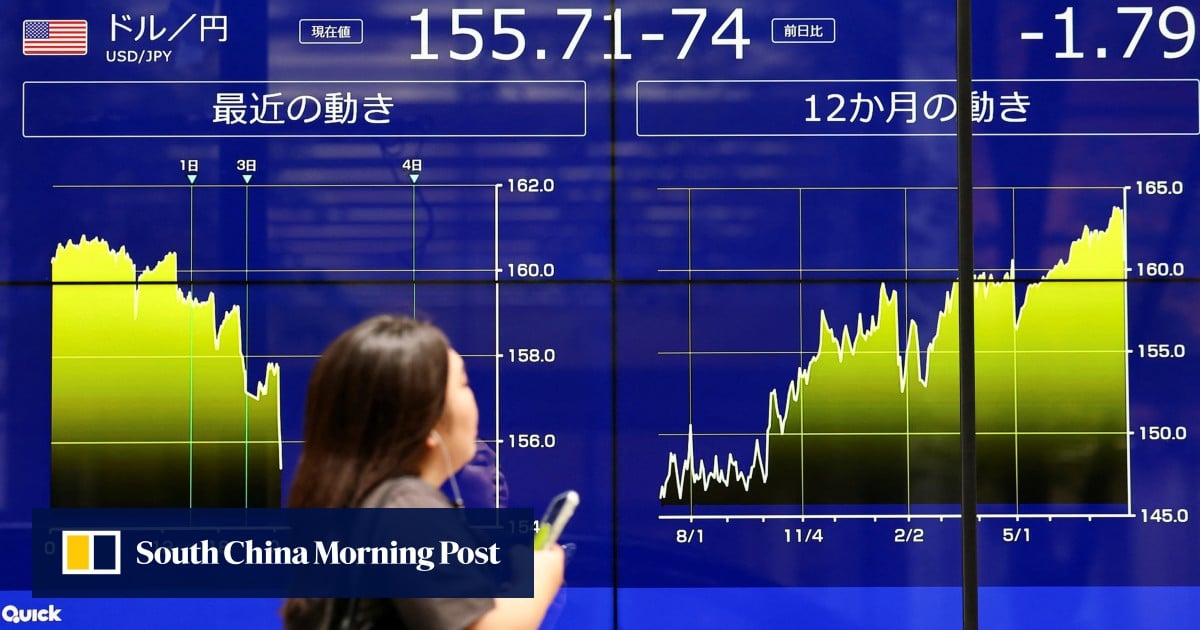
Friday’s operation, Washington’s first yen purchase since 1998, came after the Japanese currency had slumped to a four-decade low of almost 164 yen to the US dollar.
The intervention briefly lifted the yen to a three-month high of 155.2 on Friday before it weakened. As of noon on Wednesday, it stood at 157.44.
US President Donald Trump said on Sunday his administration had bought the yen to help Japan, signalling a more positive turn in relations after months of aggressive negotiations with Tokyo over a US trade deficit that reached US$63.9 billion last year.
“This rare joint intervention looks set to strengthen US-Japan relations,” said Matthew Ryan, head of market strategy at global financial technology company Ebury.
“For now at least, the two countries’ interests appear to be aligned, with Washington keen to prevent a widening in the trade deficit, and Tokyo focused on preventing a slide in the yen that risks stoking inflation and rattling the bond market,” he said.