The Starlink satellites burned up in the atmosphere 20 minutes later.
SpaceX
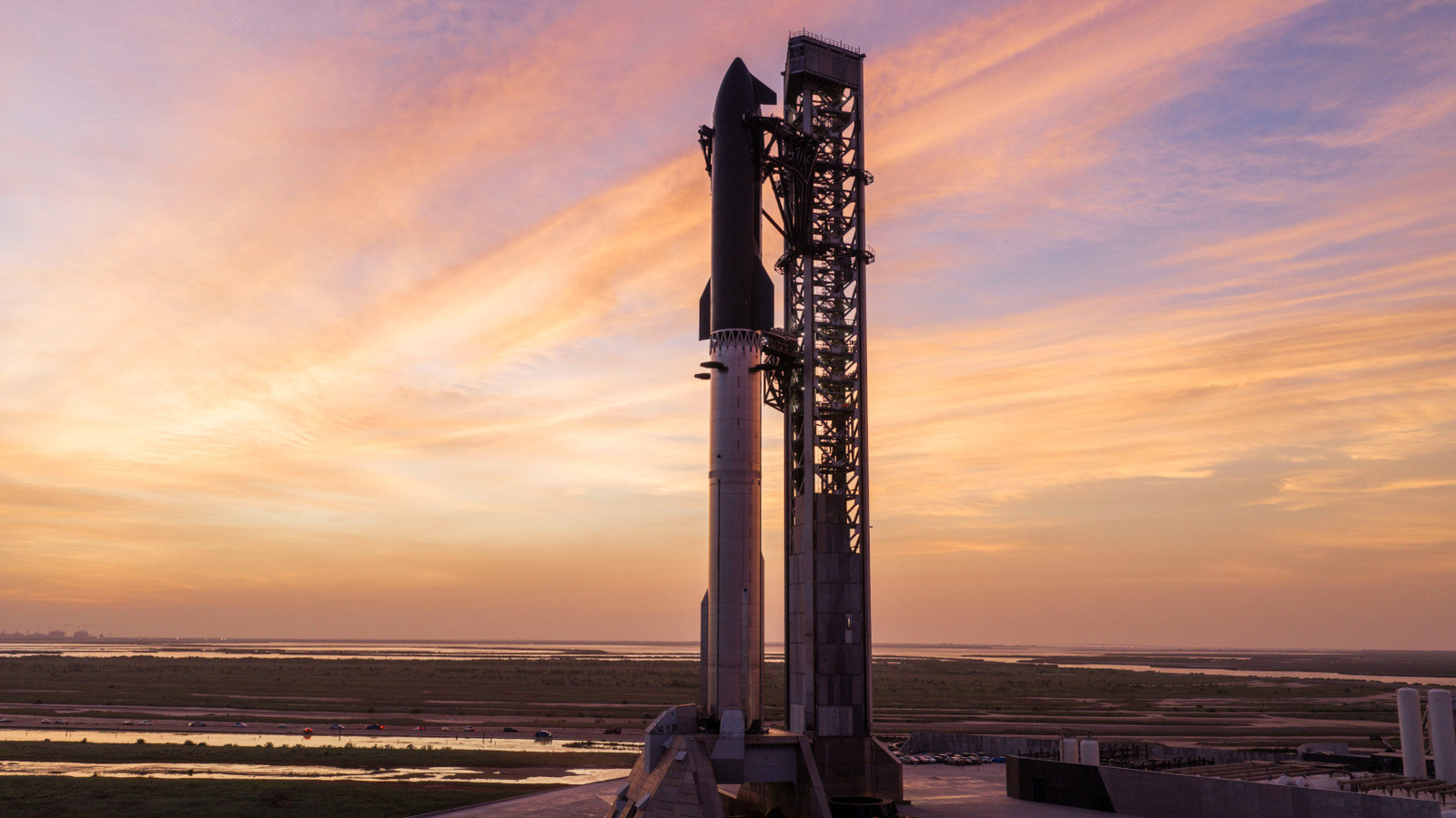
Starship has taken off for its 13th test flight after a couple of delays due to unfavorable weather conditions. This is the first Starship flight to carry SpaceX's next-generation V3 Starlink satellites, which were designed to provide meaningful increases to its service's performance. The company says they can support up to 1 Tbps of downlink, 10 times more than what the V2 satellites are capable of, and 160 Gbps of uplink that represents an increase of 22 times from V2.
While Starship has deployed 20 satellites this flight, Starlink customers won't be feeling those improvements yet. This is just a test flight for the satellites, which extended their solar arrays and antennas to check if they could connect with the rest of the Starlink constellation using their high-capacity lasers. The satellites remained in suborbital space, in the same altitude and trajectory as Starship, and are expected to have re-entered the atmosphere and burned up 20 minutes after they were deployed.
Since Starship itself was also still under testing, SpaceX modified two of the Starlink satellites. It added cameras that would enable them to scan Starship's heat shield and then transmit images to the ground for analysis, as part of the company efforts to ensure that it's ready for more flights.
This was the second launch for SpaceX's V3 Starship model, which debuted during the heavy-lift launch vehicle's 12th flight test in May. It had pretty much the same goals as the previous flight, all meant collect data so that SpaceX can "continue iteration towards a fully and rapidly reusable design." The Super Heavy booster performed a directional flip maneuver after stage separation and completed the high-thrust portion of the boostback burn with all its 33 engines. However, it experienced issues that forced it to end the burn early. It tried to relight its engines for landing, but only a subset of the 33 re-ignited, causing Super Heavy to explode as it crashed into the ocean. Meanwhile, the Starship stage mimicked the trajectory of future missions that will return to Starbase before heading to the Indian Ocean for a splashdown.
Watch Starship's thirteenth flight test https://t.co/qkYYJiX24h
— SpaceX (@SpaceX) July 23, 2026