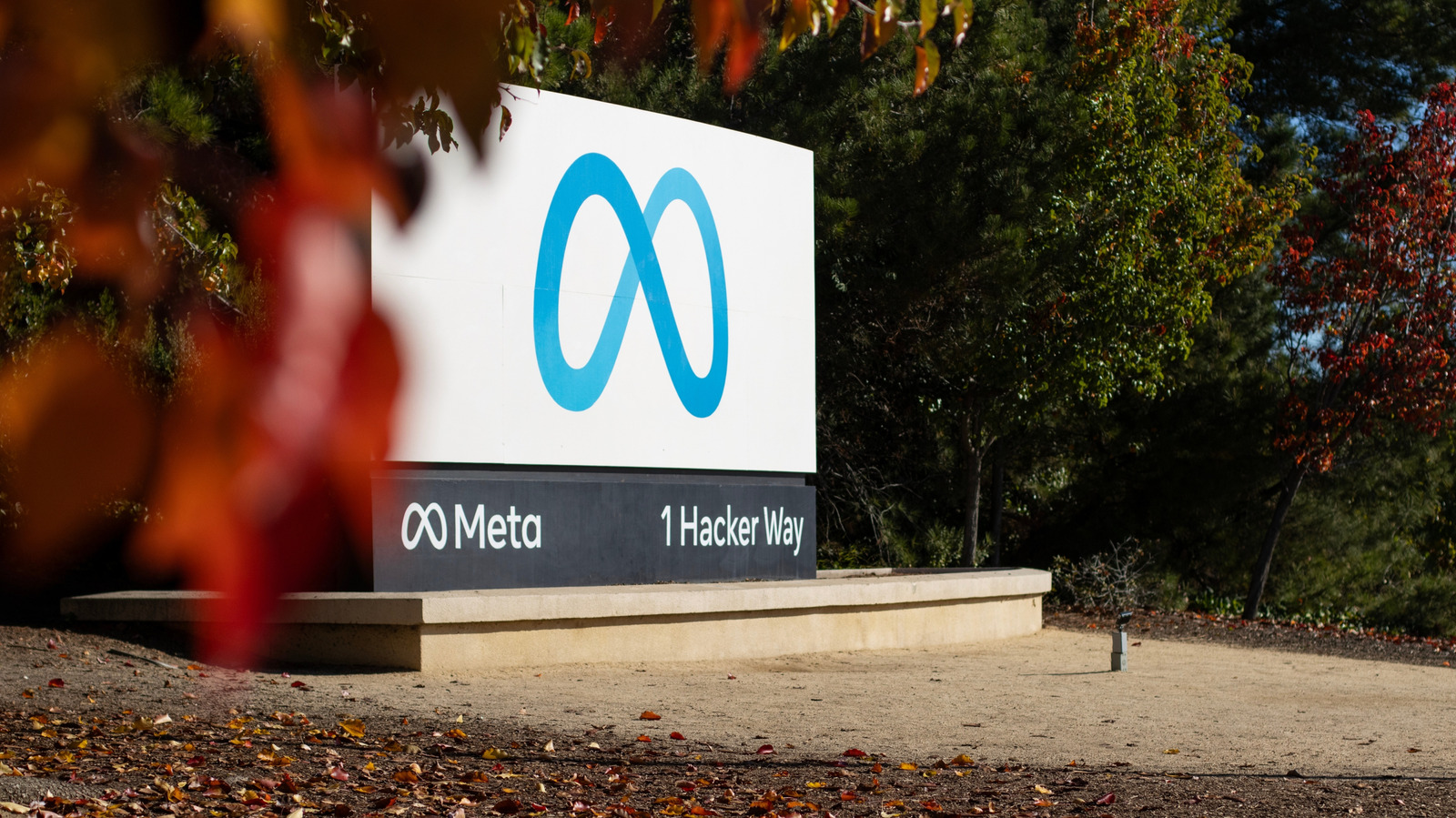
The company has comitted to 10 natural gas plants since last year.
Tada Images/Shutterstock
A decade ago, Meta joined RE100, a major renewable energy initiative aimed at helping large corporations transition to renewable electricity. Now, the company has pulled out of the group as it increasingly relies on natural gas for its AI data centers.
RE100 is overseen by UK nonprofit Climate Group. It has more than 400 members, including Microsoft, Google and Apple — all of which have made commitments to source 100 percent of their energy needs from renewable sources. Meta, as TechCrunch notes, signed on in 2016 with a target of 2020 for fulfilling its goal.
Meta's involvement with RE100 was always voluntary, but the move does underscore how the company's priorities have shifted as it's poured massive amounts of money into AI infrastructure. Meta's departure from the pact was first reported by Recharge. Climate Group told the publication that the Facebook and Instagram maker "is no longer able to meet the technical criteria due to investments made in new gas power." Meta, meanwhile, told TechCrunch that it was still committed to "100% clean and renewable energy" but that leaving RE100 was a "mutual" decision.
Earlier this year, Meta said it would fund seven new natural gas plants to help fuel its data centers. The company has now committed to 10 such projects since last year.
As both TechCrunch and Recharge point out, funding natural gas plants doesn't necessarily mean that Meta can't still claim to be making good on renewable energy commitments. Companies like Meta typically fulfill their promises by buying energy attribute certificates to offset their use of fossil fuels.
But Meta has now invested so much in natural gas — its 10 natural gas power plants will produce enough energy to power the state of South Dakota, according to TC — it's going to get more difficult to offset. Or, as an analyst told Recharge, "a 100 percent renewable claim becomes harder to defend."