Curbing this violent crime wave could make or break the transitional government - and solutions will require more than military deployment.
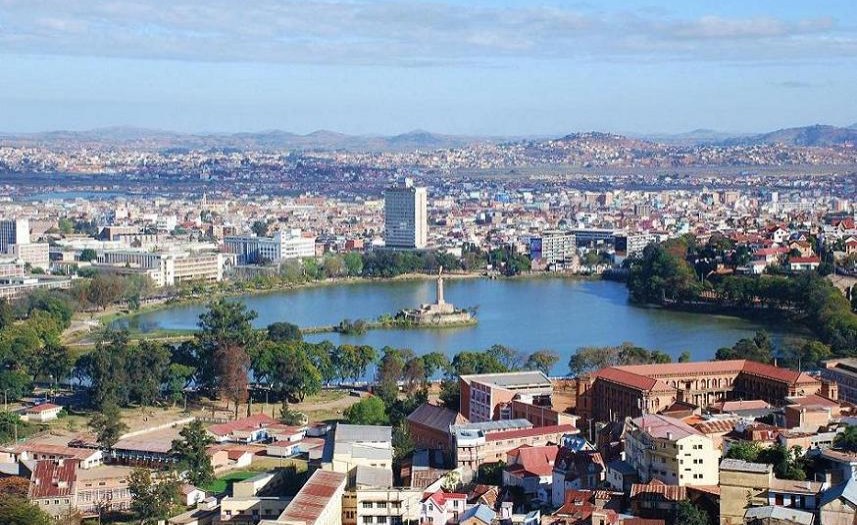
Madagascar's capital Antananarivo has been gripped by a wave of violent kidnappings and disappearances. Children, teenagers and adults have been abducted - some for several days or weeks, and others killed. The exact number of victims is unknown, but the intensity and prevalence of the incidents have become a serious national concern.
Authorities estimate that over 200 people have either been kidnapped or gone missing over the past seven months. But this doesn't reflect the scale of the problem and the fear it has generated among Madagascar's 33.5 million people. Of the estimated total, 175 were recovered by police, six were discovered dead, and 19 remain missing. May-July accounted for over 60% of recorded incidents since January.
Follow us on WhatsApp | LinkedIn for the latest headlines
Mass kidnapping is rare in Madagascar. The few incidents recorded before 2021 were limited to wealthy people and family abductions, and involved ransoms. By 2021, bandits or violent criminal gangs, traditionally cattle rustlers known as dahalo, started expanding their trade to kidnapping for ransom. When families refused to pay, victims were killed.
The dahalo attacks usually occur in rural and remote areas. In 2024, a wave of kidnappings struck Central Madagascar's Anjozorobe district, over 90 km from Antananarivo, many involving ransom. A heavy crackdown, including arrests, prosecutions, convictions and long sentences, restored calm.
The current wave is remarkable for the daring nature of attacks and their high concentration in Antananarivo and nearby towns, often in broad daylight on busy streets. In several cases, ransom was not demanded, and some victims endured torture, rape or mutilation. Retaliatory attacks by victims' families have exacerbated the violence. It is unclear whether one or multiple groups are involved, given the different modus operandi and treatment of victims.
The violence has stoked countrywide panic, with transitional government President Colonel Michaël Randrianirina calling the kidnappings 'acts of terrorism.' The prime minister called it 'war' and vowed to deal with those responsible. At least 16 people have been arrested, including one woman. But these arrests haven't revealed any masterminds, leading to speculation on social media and on the streets.
Some believe the incidents are part of a political ploy by the opposition to destabilise the transitional government, which took power in October 2025 following the Gen Z riots that ousted former president Andry Rajoelina, who fled into exile.
Others wonder whether Rajoelina is behind the kidnappings to undermine Randrianirina and the transitional government. Rajoelina is believed to be leading a campaign for his return to Madagascar, and that a state of anarchy could create enabling conditions. There is no evidence linking Rajoelina to any of the kidnappings, and ISS Today could not independently verify the allegations.
The timing of the incidents lends credence to suggestions of a political ploy. Since the 2025 coup, the transitional government has come under pressure from the Southern African Development Community and the African Union to hold national consultations and dialogue to restore constitutional rule.
The kidnappings have also been linked to ritualists, who use their victims for sacrifices and traditional practices. It is the period of Famadihana, a Malagasy custom of caring for the dead, when most families need money to perform rituals for the well-being of departed loved ones. With limited earning opportunities, kidnapping could offer financial relief.
The spate of abductions could also be the result of various crises that have devastated Madagascar and eroded its rule of law in the past year. The Gen Z riots, military coup and two cyclones have caused severe humanitarian disasters, poverty, inflation, insecurity and division along social, economic and ethnic lines.
Human trafficking and transnational organised crime have also been flagged as contributing to kidnappings. Although Madagascar is not among the countries most at risk of organised crime, recent trends place it on a watchlist.
International indices reveal that Madagascar is a source for human trafficking for sexual exploitation and cheap labour. Cameroonian authorities recently reported the rescue of 13 young Malagasy and Congolese nationals held captive in Yaoundé 'after being lured to Cameroon with fake job offers.'
According to the 2026 Human Trafficking Rate Index, 49 victims were detected in Madagascar, and the country was ranked 31st in last year's Africa Organised Crime Index of countries most affected by human trafficking.
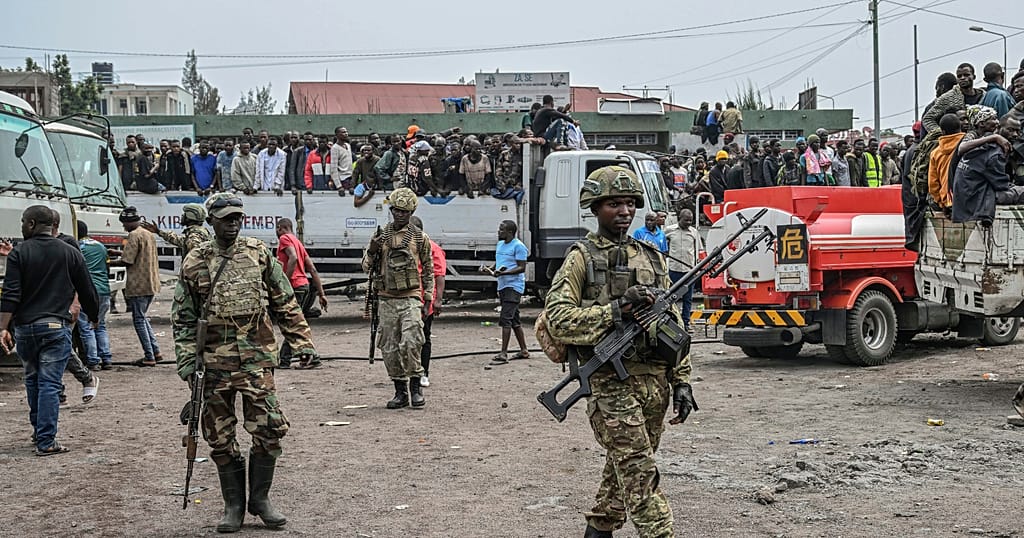
Randrianirina has deployed the military on Antananarivo's streets to protect civilians and hunt down perpetrators. He has called for all of society to respond to the problem, consulting especially the youth on major reforms.
As part of broader efforts to rebuild Madagascar, he launched national consultations and dialogue in July, declared Friday a day to celebrate Malagasy culture, and obliged every Malagasy to wear their traditional costumes. He also decreed 24 July 2026 a Day of Remembrance for kidnapping victims.
But many Malagasy, including the Catholic Bishops' Conference of Madagascar, believe these measures alone cannot solve the problem, and have called on the transitional government to do more. Trust among Malagasy in the authorities is low. Afrobarometer surveys show that citizens reject military rule and doubt that the police, as currently constituted, can address national security threats professionally without backlash.
Sign up for free AllAfrica Newsletters
Get the latest in African news delivered straight to your inbox
Kidnappings are likely a symptom of Madagascar's complex problems, which include deep-rooted historical injustices and decades of bad governance. Ending the abductions will require a transparent process to identify the perpetrators and their motives. After that, a holistic national strategy targeting security, socioeconomic and political needs is essential.
The transitional government should prioritise intelligence and investigation to prosecute all those involved, including accomplices. A national tribunal could be set up for this purpose, along with a victims' fund. These steps are key to tackling current insecurities, and their success could make or break the transitional government.
For permission to re-publish ISS Today articles, please email us. In South Africa, News24 has exclusive rights to republish ISS Today articles. In Nigeria, Premium Times has exclusive rights to republish ISS Today articles.
Martin Ewi, Senior Researcher, Transnational Threats and Organised Crime, ISS