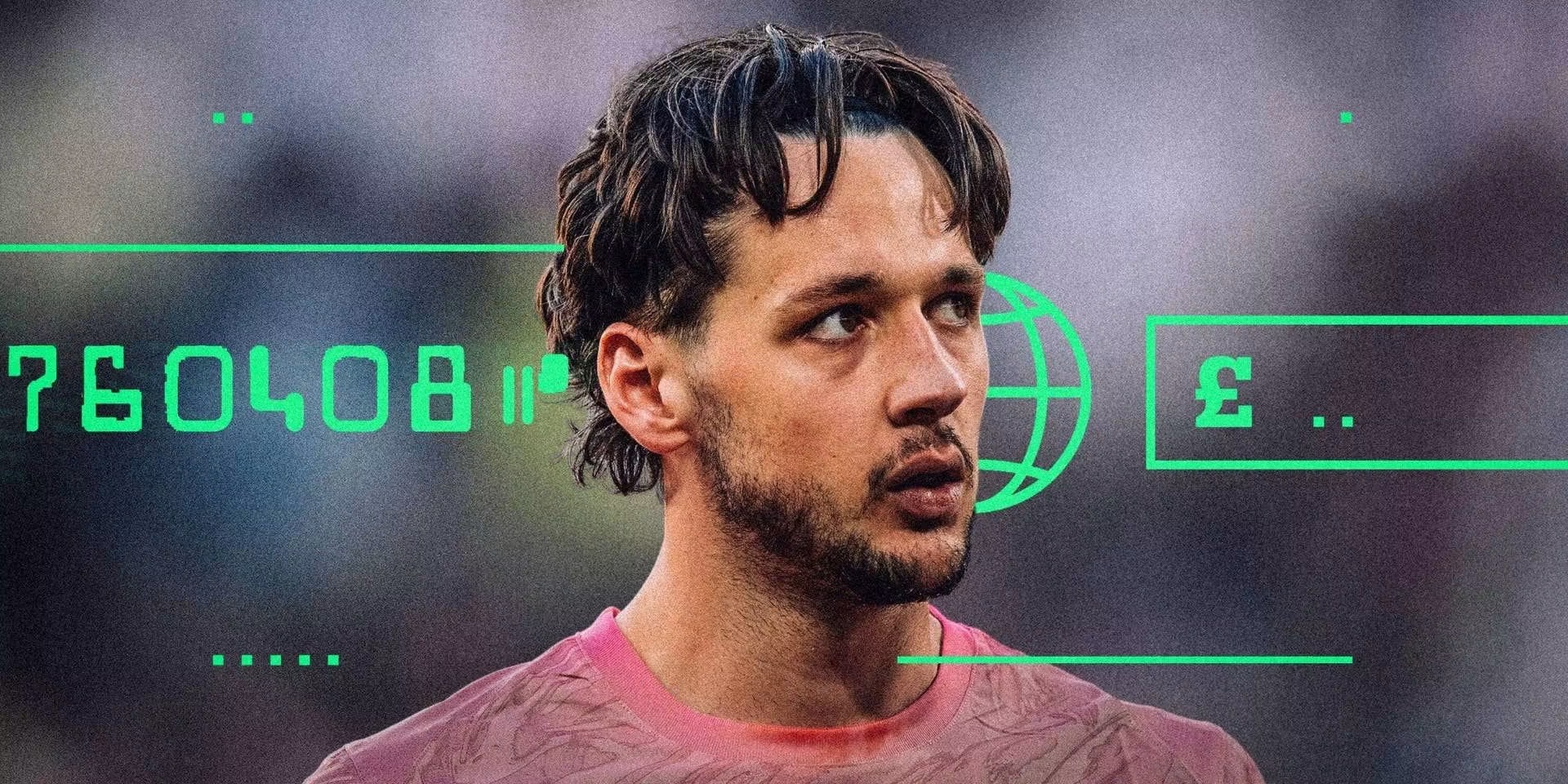
James Trafford’s reported £40 million move to Leeds United is set to place him among the most expensive goalkeepers in football history. While the fee represents a huge milestone for the young English goalkeeper, it also highlights a wider issue in the modern transfer market — the continued undervaluing of one of football’s most important positions.
Forwards have long dominated the transfer landscape, with attacking stars regularly breaking the £100 million barrier. Defenders have also seen their market value rise significantly in recent years, but goalkeepers remain far behind despite their growing influence on the game. A top goalkeeper can decide the outcome of a season through crucial saves, leadership, and consistency, yet clubs rarely invest similar sums compared to outfield players.
The modern goalkeeper has evolved beyond simply stopping shots. Today’s elite keepers are expected to be comfortable with the ball at their feet, start attacks, control their defensive line, and act almost like an additional outfield player. Players such as Alisson Becker and Ederson have shown how influential goalkeepers can be in a team’s tactical approach.
However, the market still places greater value on goals and assists than on saves, positioning, and defensive organisation. Attackers often attract more global attention, commercial opportunities, and media coverage, making clubs more willing to spend enormous fees on them.
Trafford’s transfer could represent another step towards changing that perception. As football continues to evolve, the importance of a reliable goalkeeper is becoming impossible to ignore. Yet until transfer fees begin reflecting their true impact, goalkeepers will remain one of the most undervalued positions in the sport.