SAN JOSÉ, Costa Rica — October 29, 2026
Costa Rica has withdrawn its bid to join the Comprehensive and Progressive Agreement for Trans-Pacific Partnership (CPTPP), a major international trade agreement, while President Laura Fernández has dismissed Foreign Trade Minister Indiana Trejos.
The president announced the decisions on Wednesday, criticising what she described as a lack of transparency surrounding the negotiations. She said negotiators had kept the agreement's full contents secret.
A trade ambition put on hold
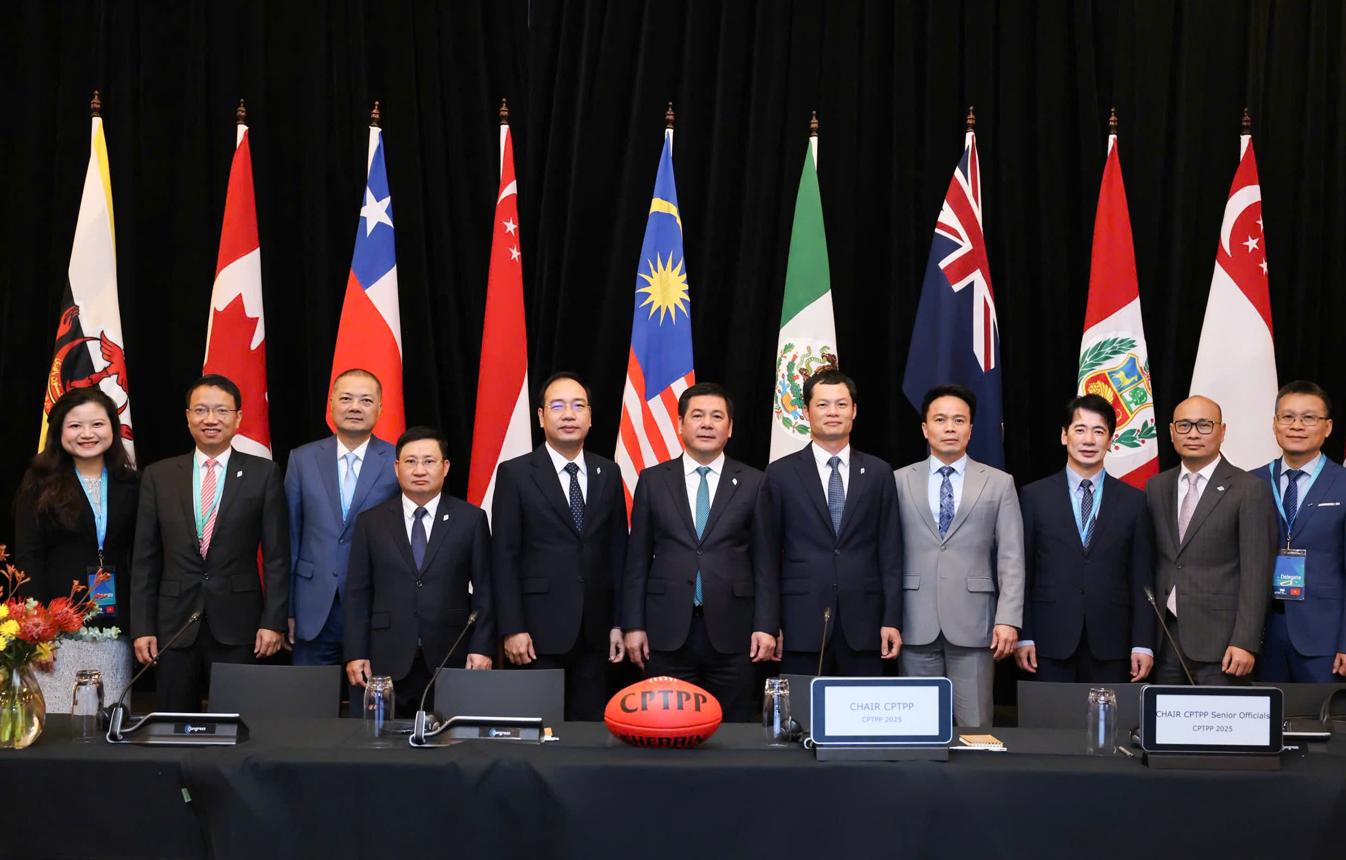
Costa Rica applied to join the trade bloc in 2022 and was formally invited by its 12 members in November 2024. Since then, the country had reviewed regulations and conducted extensive discussions concerning access to markets for goods and services.
The CPTPP connects economies across the Americas, Asia and the Pacific, and other participating regions. It represents a substantial share of global economic activity and aims to establish common trade rules and reduce barriers between its members.
Domestic concerns and economic implications
The withdrawal followed protests from producer groups, particularly in agriculture. Critics of the negotiations raised concerns about the transparency of the process and the potential effects of market opening on domestic industries.
Leaving the application process pauses Costa Rica's immediate effort to enter the agreement. It may affect the country's future trade strategy, relationships with prospective partners and plans for expanding market access.
Fernández did not announce a replacement for Trejos in the initial statement. The government's next steps will determine whether Costa Rica revisits the agreement or pursues other trade arrangements.
The announcement concerns Costa Rica's application; it does not mean the country has withdrawn from a trade agreement it had already joined.