Updated Aug 5, 2026, 3:58 p.m. Published Aug 5, 2026, 3:44 p.m.
2 min read
Cold wallet hacks could lift demand for ETFs (Unsplash)Summary
- Cantor said the Coldcard wallet exploit could provide a positive read-through for crypto-related equities tied to institutional adoption.
- FRNT Financial said the exploit could increase demand for bitcoin ETFs as some investors seek alternatives to self-custody.
- Both firms said the long-term impact is likely to be adaptation rather than abandonment, with cold wallet providers improving security while some investors gravitate toward ETFs.
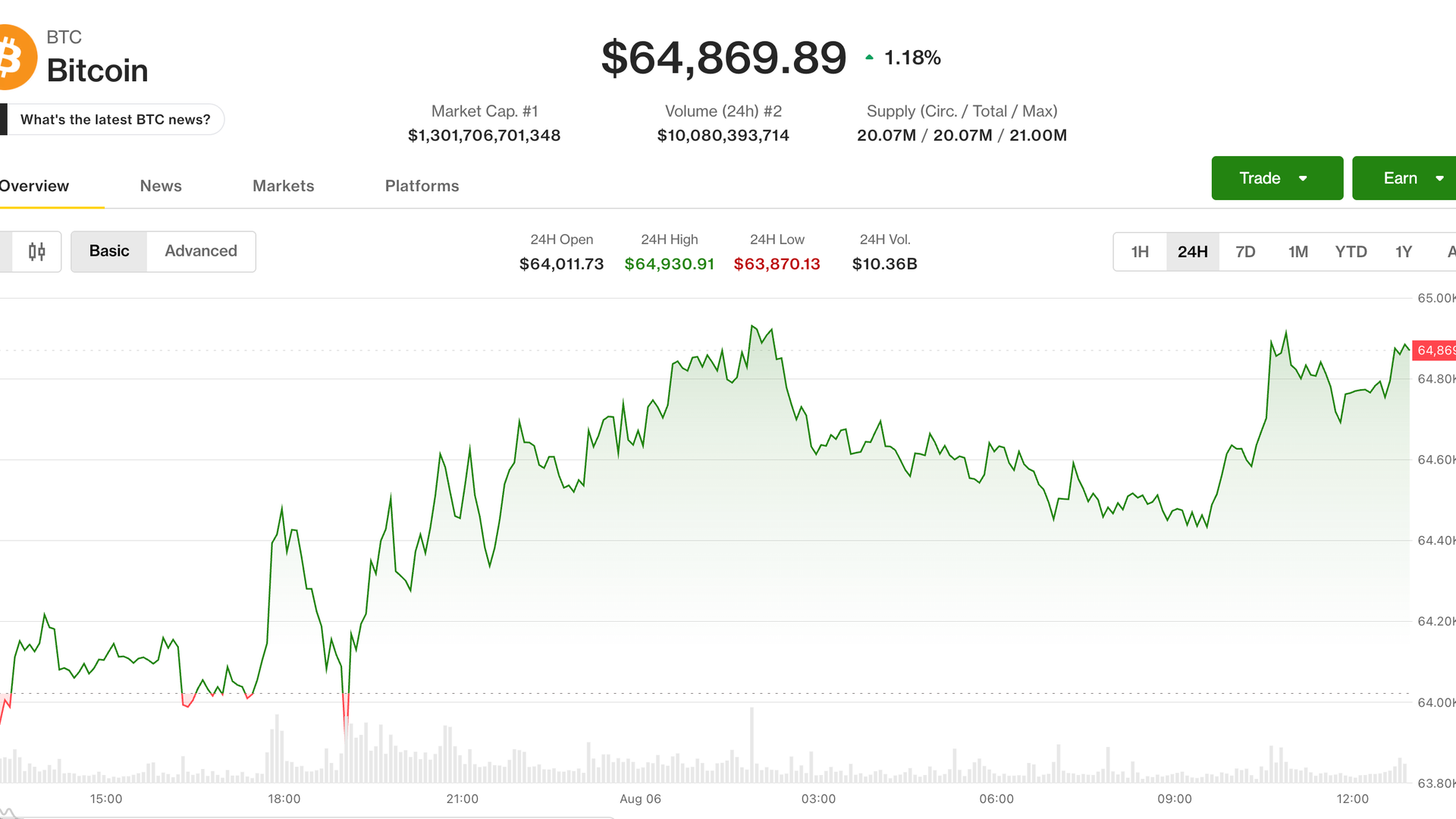
The Coldcard wallet exploit, which saw investors’ bitcoin BTC$64,785.85 drained from their cold wallets, highlights the risks some investors face with self-custody and could bolster demand for spot exchange-traded funds (ETFs) and be positive for some crypto-related equities, according to Wall Street analysts.
Investment bank Cantor said the breach may reinforce the appeal of publicly traded crypto firms linked to institutional adoption.
The bank said the exploit could drive Coldcard users toward managed custody providers, potentially benefiting firms including Robinhood Markets (HOOD), Coinbase Global (COIN), BitGo Holdings (BTGO), Bullish (BLSH), eToro Group (ETOR) and Gemini Space Station (GEMI) through increased customer inflows.
“The read-through is second-order but we would expect that token flows to custodians and exchanges will increase following the hack,” Nico Pasquariello, a digital asset specialist, said in the Wednesday note to clients.
The exploit allowed attackers to steal bitcoin from users who had opted for self-custody, underscoring that holding one’s own private keys still requires trust in the hardware and software used to generate and manage them.
The exploit, which researchers say stemmed from a flaw in the wallet's firmware, has resulted in at least 1,816 bitcoin, worth about $114 million, being drained from more than 5,200 addresses since July 30, underscoring the risks even self-custodied assets face when wallet security is compromised.
FRNT Financial echoed that view, saying the exploit exposed a key tradeoff in self-custody. While many bitcoin holders prefer to control their own assets, they still place their trust in the hardware and software used to generate private keys.
"The reaction within the BTC community to the exploit was one of heartbreak," FRNT wrote in a Wednesday report, noting many affected users had followed long-standing best practices around self-custody.
The firm compared the incident to the 2023 "Milk Sad" exploit, in which flawed key generation led to the theft of roughly $900,000 in digital assets. Rather than undermining self-custody altogether, FRNT said it expects the latest breach to spur wallet providers to strengthen their products as users demand greater security assurances.
For investors unwilling to accept the operational risks of managing private keys, the growing availability of spot bitcoin ETFs provides an increasingly attractive alternative, FRNT said.
Read more: Coldcard hack sparks a self-custody security overhaul: Cory Klippsten
AI Disclaimer: Parts of this article were generated with the assistance from AI tools and reviewed by our editorial team to ensure accuracy and adherence to our standards. For more information, see CoinDesk's full AI Policy.
Related Assets
- 1
- 2
- 3
- 4
- 5
- 6
- 7
- 8
- 9
- 10
The Evolution of the Crypto CEX Landscape: A Case Study on Binance
The Evolution of the Crypto CEX Landscape: A Case Study on Binance
Binance remains crypto’s leading exchange, expanding from spot and derivatives into RWAs, payments, savings, yield, and broader financial services.
Jun 29, 2026
Binance remains crypto’s leading exchange, expanding from spot and derivatives into RWAs, payments, savings, yield, and broader financial services.
Why it matters:
Binance remains crypto’s leading exchange, expanding from spot and derivatives into RWAs, payments, savings, yield, and broader financial services.
View Full Report