Jul 22, 2026, 5:03 a.m.
2 min read
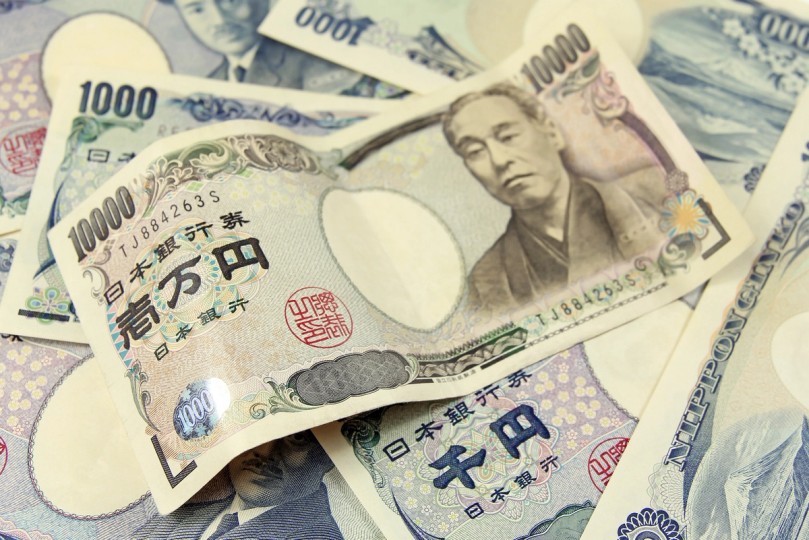
Bitcoin holds near $66,300 as the yen hits a 40-year low. (Shutterstock)Summary
- Bitcoin hovered near $66,300, holding a two-week high as trading volumes stayed robust and price moves in major tokens remained relatively muted.
- The latest leg higher in bitcoin appears tied more to a powerful global semiconductor rally, led by gains in U.S. and Asian chip stocks, than to any crypto-specific catalyst.
- A sharp slide in the Japanese yen to its weakest level since 1986 underscores mounting currency stress that bolsters the long-run case for bitcoin as a fixed-supply asset, even if it is not yet driving short-term flows.
Bitcoin held near $66,300 on Wednesday, consolidating a two-week high, as the semiconductor rally that has driven crypto all month extended into a second session and the Japanese yen sank to its weakest level in four decades.
The largest cryptocurrency was up nearly 1% on the day and 3% on the week, with about $31 billion changing hands and a 24-hour range of roughly $65,400 to $66,900.
Ether traded near $1,935, up 3% on the week. XRP added 2% to $1.14 and TRON edged up, while the day's laggard was hyperliquid's HYPE, down 4% to $60 and off 10% over seven sessions. Bitcoin's dominance and the majors' muted daily moves point to a market drifting higher on macro rather than any crypto-native catalyst.
The engine is still the chip trade. MSCI's Asia Pacific equities gauge rose 1%, extending Tuesday's biggest one-day gain in a month, with South Korea's Kospi jumping 5% as a leveraged-position unwind that had pulled the benchmark nearly 30% off its peak appeared to be ending.
Samsung and SK Hynix led, following a more than 5% jump in a U.S. semiconductor gauge on Tuesday that clawed the index back out of a technical bear-market territory.
The Chinese AI shock that hit these same stocks less than a week ago - including bitcoin - has fully reversed.
A fresher development is in currencies, as the yen slid past 163 per dollar for the first time since 1986, extending a decline that Japanese intervention has failed to halt. Finance Minister Satsuki Katayama said authorities remain ready to take "bold steps" as needed, per Bloomberg, but the combination of a strengthening dollar, higher U.S. Treasury yields and oil rising on the Iran conflict has overwhelmed those efforts.
That backdrop is the one bitcoin's holders have long argued plays in their favor.
A major currency losing a tenth of its value against the dollar, with its central bank unable to stop the slide despite tens of billions spent, is the exact scenario a debasement case for bitcoin points to.
Whether that thesis is driving any real flows is unclear, and bitcoin is tracking chip stocks far more closely than it is tracking the yen in recent months, but the currency stress is the sort of macro pressure that has historically firmed the argument for holding a fixed-supply asset.
- 1
- 2
- 3
- 4
- 5
- 6
- 7
- 8
- 9
- 10
Crypto Flows, Share and the Selective Rotation
Crypto Flows, Share and the Selective Rotation
Markets repositioned since June, but Binance held share (~55% user funds, ~24% spot) and drew net inflows in early July while the tracked market saw outflows.
6 hours ago
Markets repositioned since June, but Binance held share (~55% user funds, ~24% spot) and drew net inflows in early July while the tracked market saw outflows.
Why it matters:
Markets repositioned since June, but Binance held share (~55% user funds, ~24% spot) and drew net inflows in early July while the tracked market saw outflows.
View Full Report