- Opinion Opinion Opinion
- Climate change Climate change Climate change
Op-Ed
Judith Rainhorn
historian
Environmental historian Judith Rainhorn criticizes France's political leaders for their inability to respond to the climate emergency, saying that it is time to 'politicize the disasters weighing us down.'
Published today at 8:27 am (Paris) 3 min read Lire en français
Subscribers only
For the past decade, the list of French rural areas and urban neighborhoods making headlines over longstanding and recent pollution has seemed endless. Examples include Oullins-Pierre-Bénite near Lyon and emissions from its Arkema chemical plant; Bourg-Fidèle in the north and wastewater from its battery factory; Évin-Malmaison, also in the north, and smoke from the Metaleurop plant; and the Orbiel Valley in the south, with its hills of toxic mining waste.
Other cases add to these: banana plantations in Guadeloupe and Martinique, saturated with the pesticide chlordecone; Vittel and Contrexéville in the east, with their buried mountains of plastic waste; schools beneath the pesticide sprayers of vineyards in Blayais, in the southwest; the Lille-Sud neighborhood and lead dust from the Exide plant; and now, the Cité de la Coudre in Tonnay-Charente in western France, polluted by a neighboring fertilizer factory.
Each year brings new health scandals linked to such pollution. Rivers carry dead fish; animals die with burned nostrils after feeding near industrial sites; children, whose toys must be washed with soap after playing outdoors, are poisoned by lead, cadmium and arsenic.
People are resigned to letting raspberries grow in their gardens without eating them. They live in fear of expropriation, anxious about the first signs of cancer in themselves or their loved ones. There is suspicion of everything: the air they breathe, the water they drink, the fruit they eat, the soil beneath their shoes, the dust covering their car each morning.
Destructive seasons
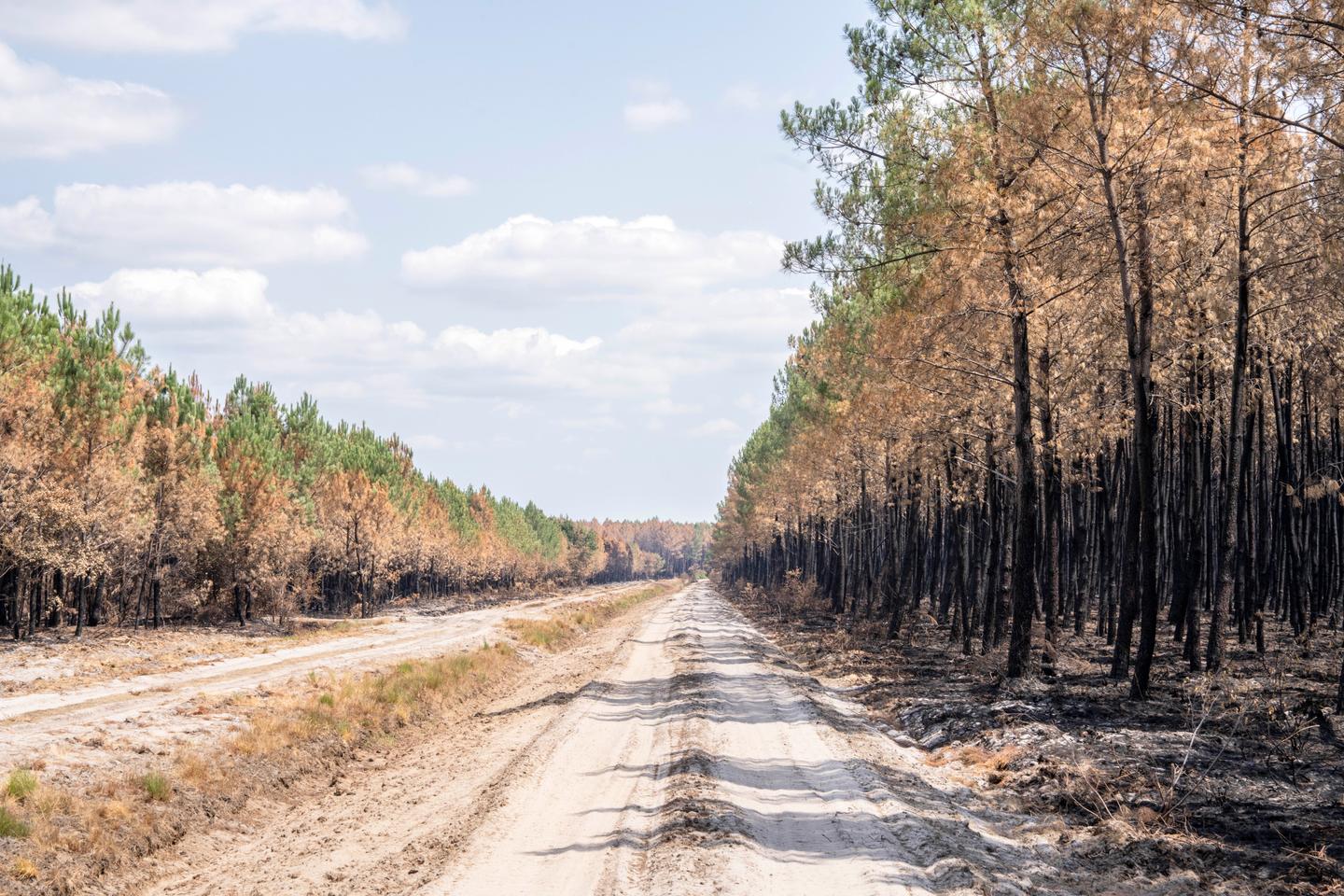
How can such environmental and human disaster be tolerated, and why is it more apparent and more widely reported each year? Ignorance is no longer an excuse, as the public sphere is saturated with news testifying to the situation's urgency. Yet awareness remains low, and preparedness is virtually nonexistent, even after a summer marked by intensified drought, repeated heatwaves and devastating fires that reached the Paris region and the northern Pas-de-Calais region, both of which have historically been spared such summer devastation.
You have 54.6% of this article left to read. The rest is for subscribers only.


