Updated Aug 4, 2026, 12:06 p.m. Published Aug 4, 2026, 5:39 a.m.
2 min read
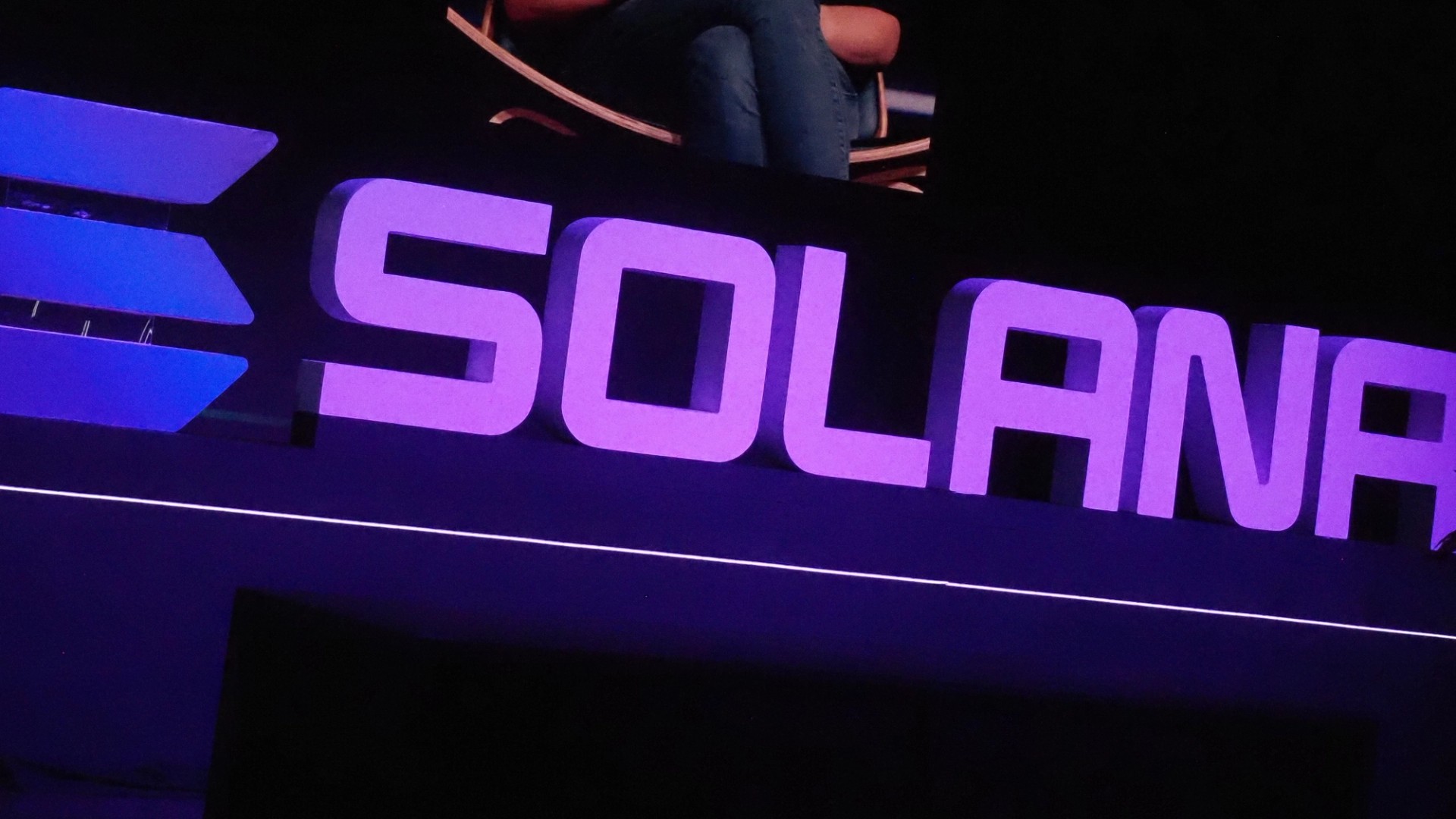
A Solana sign (CoinDesk)Summary
- Solana validators are signaling support for two linked governance proposals, SIMD-0550 and SIMD-0553, that would both reduce new SOL issuance and increase the amount of SOL burned.
- SIMD-0553 would introduce resource-based transaction fees, lifting daily SOL burns from about 650 to as many as 9,000 coins, while SIMD-0550 would accelerate disinflation so the network reaches its 1.5% terminal inflation rate by 2029 instead of 2032.
- The proposals have backing from 24.94 million SOL in stake, led heavily by validator Helius, but must attract roughly 40 million more SOL in support to clear a 15% signaling threshold before an actual vote by Aug. 18.
Solana validators began signaling support this week for a governance proposal that would alter how much SOL enters and leaves circulation, potentially tightening circulating supply and affecting market valuations.
The proposal, called SIMD-0553, introduces resource-based fees that charge transactions according to the network resources they consume. That would lift daily burns from around 650 SOL, about $47,000 at current prices, to between 7,500 and 9,000, or up to roughly $650,000 a day.
A separate SIMD-0550 doubles the annual disinflation rate to 30%, which pulls Solana's 1.5% inflation floor forward to 2029 from 2032 and removes about 18.9 million SOL of emissions over six years — worth roughly $1.36 billion at current prices.
SIMD stands for Solana Improvement Document, the technical proposal process core developers use for protocol changes. SGP is Solana Governance Proposal, the newer stake-weighted vote that sits above it.
The two proposals impact supply from both ends, burning more of what exists while issuing less of what is new. Solana's inflation rate currently sits near 3.8%, down from an 8% start under a schedule that cuts 15% a year.
Initial support stands at 24.94 million SOL, or 5.8% of the 432.65 million staked, roughly 38% of the way to the 15% threshold a proposal must clear before it reaches an actual vote. That leaves 39.95 million SOL to find, or about $2.9 billion, before signaling closes on Aug. 18.
Sixteen validators have signaled so far, data shows, or about 2.3% of the set. Infrastructure company Helius accounts for 16.03 million SOL of the running total on its own, close to two-thirds of everything gathered, with validator Blueshift next at 3.6 million and Temporal Emerald at 1.24 million before the list thins out.
As such, the burn increase is smaller than it sounds against what Solana issues. Even at the top of the projected range, 9,000 SOL per day is offset by roughly 60,000 SOL in daily inflation, so the fee change alone does not make SOL deflationary.
That is part of why the two proposals are clubbed together, with SIMD-0550 cutting issuance while SIMD-0553 raises what gets destroyed.
Even a 14x burn increase barely dents what Solana issues. (Shaurya Malwa/CoinDesk)Meanwhile, Helius, which supplied 16.03 million SOL of the 24.94 million gathered, employs the engineer behind SIMD-0550.
But the 15% gate exists precisely to test this. Solana Foundation set it in July so the validator set would only vote on questions that actually matter, leaving routine technical work within the SIMD process.
Clearing it means several more operators of Helius's size have to decide emissions are worth their signal, and at the current pace with two weeks left, they have not.
- 1
- 2
- 3
- 4
- 5
- 6
- 7
- 8
- 9
- 10
The Evolution of the Crypto CEX Landscape: A Case Study on Binance
The Evolution of the Crypto CEX Landscape: A Case Study on Binance
Binance remains crypto’s leading exchange, expanding from spot and derivatives into RWAs, payments, savings, yield, and broader financial services.
Jun 29, 2026
Binance remains crypto’s leading exchange, expanding from spot and derivatives into RWAs, payments, savings, yield, and broader financial services.
Why it matters:
Binance remains crypto’s leading exchange, expanding from spot and derivatives into RWAs, payments, savings, yield, and broader financial services.
View Full Report